Other Relevant Websites:
Supply Chain Management
Supply Chain Management
Supply Chain Management
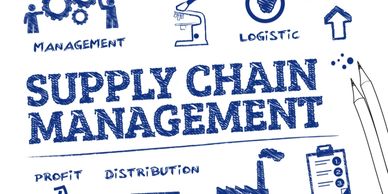
Supply chains can vary in length and complexity depending on the specific industry they operate in. By allowing supply and demand to function independently, supply chains reduce costs, expedite economies of scale, and maximise productivity.
Business Law
Supply Chain Management
Supply Chain Management

Organisations operate within an ever-changing environment and must constantly adapt to meet these changes. Hiring legal expertise is costly and can lead to inefficiencies if the advice sought or given adds little to organisational profitability.
Operations Management
Supply Chain Management
Operations Management

Translating an organisation’s strategic intent into tactical and operational plans is one of the most challenging aspects of today's evolving business landscape. Any disparity can significantly impede an organisation’s ability to achieve its objectives.
Procurement
Commercial Management
Operations Management
Procurement's primary responsibility is negotiating terms with suppliers to secure the best prices. This minimises the commercial, legal, and safety risks that can impact customer satisfaction and service delivery.
People Management
Commercial Management
Commercial Management

When forming a team, it is crucial to recognise that each member brings different skills, knowledge, and experience. Diversity is a strength as it allows various perspectives to be considered in decision-making.
Commercial Management
Commercial Management
Commercial Management

Commercial risks are centred on trading plans, which may not turn out as planned. Organisations that adapt to evolving market conditions, such as enhancing their online presence, achieve greater success.